
The Price of Progress: Innovation, and Uncertainty in Green Tech
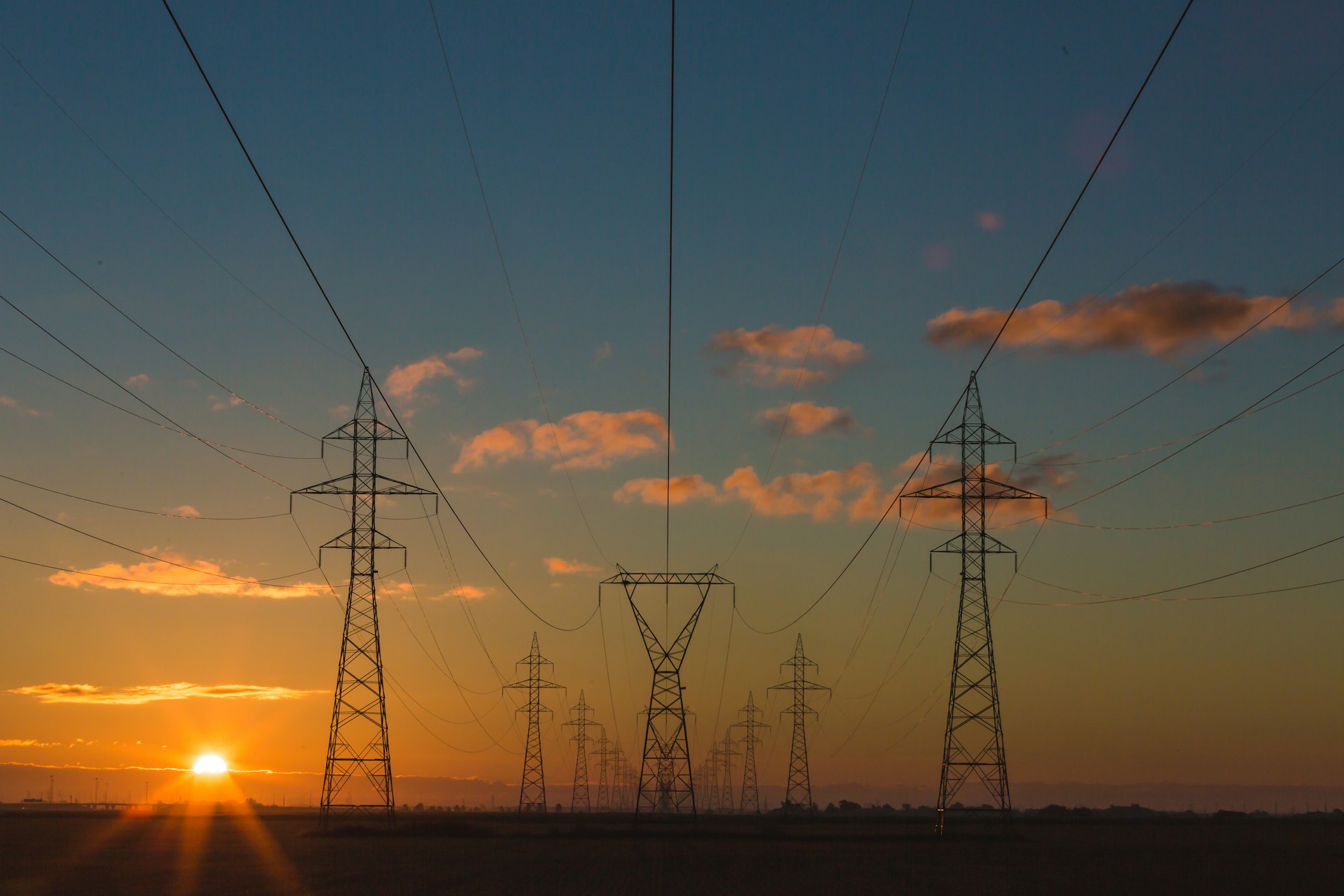
Saving the planet is rarely a simple story of easy political agreement. For every spectacular green technology breakthrough that makes global news, there is an anxious research scientist sitting in quiet desperation, analyzing atmospheric charts in total disbelief. Ecological projects are complex, emotionally draining battlegrounds where grand engineering designs can instantly fall apart due to a single chemical miscalculation or a slightly mistimed infrastructure deployment in remote regions.
Furthermore, the relentless engineering toll of fixing broken ecosystems frequently pushes researchers to their absolute limits. Working through systemic grid failures, dealing with sudden funding shortages, and facing constant scrutiny from skeptical government regulators creates an incredibly high-pressure environment. When a community projects fails to restore a vital river delta at the last moment, the sudden shift from optimistic hope to profound disappointment can leave an entire town completely devastated.
Yet, this delicate balance between ecological recovery and collapse is precisely why environmental engineering remains so deeply compelling. True scientific resilience is built not during successful solar energy surpluses, but in the quiet field stations after a failed conservation trial. How an international taskforce chooses to pivot after a major field setback defines their ultimate legacy, proving that science is a highly realistic reflection of our ongoing struggle to protect nature's delicate balance.
📝 Article Summary (要約)
English: Environmental engineering involves major ecological triumphs and unpredictable scientific risks. Small technical mistakes can instantly ruin grand conservation plans, and scientists must cope with regular hardware failures and heavy regulatory pressure. However, overcoming these engineering setbacks and adapting strategies is what makes environmental technology truly meaningful.
日本語要約: 環境工学には、大きな生態学的成功と、予測不可能な科学的リスクが伴います。小さな技術的ミスが壮大な保全計画を瞬時に台無しにすることもあり、科学者は定期的なハードウェアの故障や規制当局からの重いプレッシャーに対処しなければなりません。しかし、こうした工学上の挫折を乗り越え、戦略を適応させることこそが、環境技術を本当に意味のあるものにしています。
🇯🇵 Japanese Translation
地球を救うことが、簡単な政治的合意の物語であることは滅多にありません。世界的なニュースになる華々しいグリーンテクノロジーのブレイクスルーの裏には、完全に信じられない様子で大気チャートを見つめ、静かな絶望の中に座り込んでいる不安げな研究科学者がいます。環境プロジェクトは、複雑で精神的にも消耗の激しい戦場であり、遠隔地における一つの化学的な計算ミスや、わずかにタイミングのずれたインフラ展開によって、壮大な工学設計が一瞬にして崩壊してしまうこともあります。
さらに、破壊された生態系を修復する投資への容赦のない工学的負担は、頻繁に研究者を絶対的な限界へと追い込みます。システム的な送電網の故障の中で働き、突然の資金不足に耐え、懐疑的な政府規制当局からの絶え間ない厳しい目に直面することは、信じられないほど高圧的な環境を生み出します。地域プロジェクトが最後の瞬間に重要な川のデルタ地帯を再生できなかったとき、楽観的な希望から深い絶望への突然の変化は、町全体を完全に打ちのめしてしまうことがあります。
🇯🇵 Key Words & Meanings
Example: The farmers protected their remaining dry soil out of pure desperation.
Example: The laboratory's relentless carbon measurements provided undeniable data.
Example: The new solar cell efficiency data came under intense global scrutiny.
Example: When the sea turbines broke, the energy agency decided to pivot to geothermal power.
Example: The sudden extinction of the regional bee colony caused a profound agricultural crisis.
Example: Coral reefs often show surprising biological resilience if sea temperatures drop quickly.
Example: The coastal ecosystem was completely devastated by the chemical oil spill.
Example: The professor presented a compelling argument for immediate global plastic bans.
📚 Grammar Focus & Rules
1. Adverbial Prepositional Phrases at the Start of Sentences (文頭の副詞的役割を果たす前置詞句)
Structure: For every + [Noun/Action], + there is + [Counter-balancing Noun/State]...
Example from text: "For every spectacular green technology breakthrough that makes global news, there is an anxious research scientist sitting in quiet desperation..."
Rule: Placing "For every..." at the beginning structures an immediate logical balance. It balances bright macroscopic engineering achievements against stressful micro-level scientific trials, creating realistic narrative weight.
2. Interrogative Noun-Clauses serving as Complex Subjects (主語として機能する疑問詞節)
Example from text: "How an international taskforce chooses to pivot after a major field setback defines their ultimate legacy..."
Rule: Starting a sentence with "How + [Subject] + [Verb]" packages the entire situational clause into the main operational subject. It places special emphasis on the exact *methodology* or *crisis management style* used by the team.
⚠️ Common Spelling Pitfalls
Review these commonly misspelled words related to environmental science and ecosystems:
🧩 Interactive Exercise: Gap Fill
Fill in the blanks using the appropriate vocabulary words from the article selection (desperation, relentless, pivot, profound):
Easy version
Saving the Earth is not always about easy talks or simple laws. For every cool green tool that gets popular on the news, there is a worried scientist looking at sky charts who cannot believe our planet is getting warmer. Working on nature projects is very hard. A single bad math mistake or a late shipping error can quickly ruin a great green plan.
Also, working to fix broken wild spaces makes people feel completely tired. Dealing with broken power machines and talking to strict government bosses creates a lot of stress. When a clean energy project fails to save a river at the last minute, the sudden bad news can make the whole local town feel very sad.
However, this mixture of saving and failing is exactly why learning about nature technology is so exciting. Smart teams learn how to be strong not when everything works well, but when their experiments fail. How a science group changes its ideas after a bad day shows its true heart, making the science world look just like real life.
🇯🇵 Key Words & Meanings (Easy)
Example: The university built a very cool greenhouse powered entirely by recycling old trash.
Example: The students were very worried about the safety of the local drinking water.
Example: The city created new strict laws to protect wild mountain bears from hunters.
Example: Smart engineers found a way to make strong bricks out of dirty city waste material.
